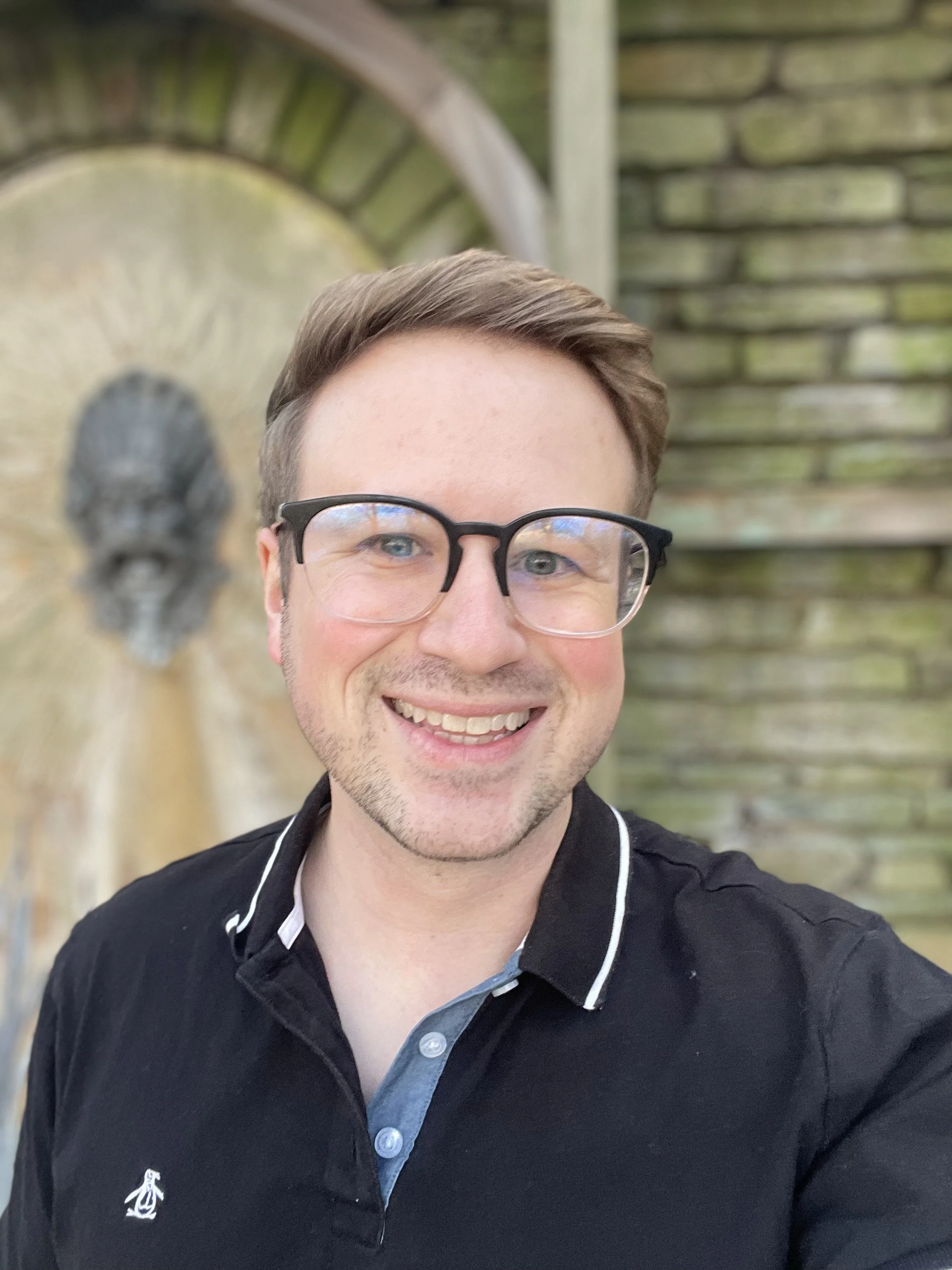
My name is Dr. Joshua Schnell and I am an anthropological bioarchaeologist specializing in the bioarchaeology of Mesoamerica, specifically the Maya region (Mexico, Guatemala, Belize, and Honduras). I am currently an Assistant Professor of Anthropology at the University of Pittsburgh in Pittsburgh, PA. I received my MA and PhD from Brown University and did my undergraduate training at Michigan State University.
My primary research interests concern health, medicine, body practices, and funerary practices in the archaeological past. My work emphasizes the role of human agency in the anthropological study of health, diet, and disease in the past – with a concern for how people managed, maintained, and altered their bodies. I conducts archaeological fieldwork in Chiapas, Mexico and am Co-Director of the Proyecto Arqueológico Bajo Lacantun (PABL) where I run a bioarchaeological research program investigating the biosocial lives of the inhabitants of the ancient Lakamtuun kingdom. I also has an ongoing collections-based research program investigating the oral care and dental practices of the precolonial Maya.
My work is fundamentally biocultural and interdisciplinary and I am committed to exploring and developing new, innovative methodologies and approaches for advancing the study of health and disease in the past. I believe this work should always be culturally-grounded, which is why I incorporate iconography, visual culture, ethnohistory, and ethnography in my research alongside human biology and material culture.
Before joining the faculty at Pitt, I was a Pre-Columbian Studies Fellow at Dumbarton Oaks Research Library and Collection in Washington, DC and have additionally held fellowships at the John Carter Brown Library in Providence, RI and the National Science Foundation. At Pitt, I run the MesoBIO Lab (Mesoamerican Bioarchaeology, Imaging, and Osteology Lab), which specializes in imaging and microscopy, dental casting, and experimental archaeology. I always welcomes undergraduate and graduate student research involvement in my lab and field endeavors. While my current fieldwork is based in Chiapas, Mexico, I have previously conducted field work across the Maya region - in Belize, Guatemala, and Mexico at a variety of Classic and Pre classic sites, including large, dynastic civic-ceremonial urban centers, small frontier and subsidiary sites, and mortuary rock shelters and caves.
I am currently accepting PhD students in the following areas:
Bioarchaeology of the ancient Americas, especially of the precolonial Maya and Mesoamerica more broadly (Note: while I am not a specialist of the ancient Andes, co-advising with Drs. Arkush or Bermann may be a possibility)
Paleopathology and experimental bioarchaeology
(Bio)archaeological approaches to the study of medicine, medical knowledge, medical practice, and dentistry in the past
Archaeology of the Maya region – especially those who might be interested in participating on PABL
In broadest strokes, I am interested in how the body was understood, maintained, and altered - both during life and after death - in the archaeological past. My interests primarily lie in bioarchaeological approaches to the study of medicine, healing, and the body in the past, including:
(1) the treatment of the dis-eased body via medical and therapeutic practices,
(2) the maintenance of bodily health via diet, hygienic practices, and routine care,
(3) the creation and upkeep of the aesthetic or “crafted” body and its intersection with health, and
(4) the treatment and processing of the postmortem body, or corpse.
Methodologically my work is both bioarchaeological and paleopathological, but I make extensive use of imaging and microscopy as well as interdisciplinary methods such as archival research, iconography and visual culture studies, and ethnobotany and ethnomedicine.
I conduct an ongoing project documenting evidence for oral care, dental hygiene, and aesthetic expression of the mouth in the Maya world. The human dentition provides a unique opportunity to examine both quotidian and self-directed forms of care (such as toothbrushing and other cleansing practices) and practices reflecting specialized knowledge such as therapeutic and herbal treatments, including oral surgery and tooth extractions. Understanding how people cared for their mouths within their specific cultural context, and how those practices might intersect with broader cultural values such as hygiene, sociality, aesthetics, and even morality can tremendously enhance our study of health and disease in the past. Through this work, I am also working with colleagues in paleoethnobotany, biomolecular anthropology, and dental science to advance a holistic model for the study of the mouth in the archaeological past.
I have additional research interests in archaeological representation in gaming (digital and analog), collecting practices and research in/of collections, and the cultural adornment of the body before, during, and after death.
When I’m not in the field, the lab, or the classroom, I’m usually at a table playing board games and tabletop RPG’s with friends. I also love the outdoors and will never miss an opportunity to go hiking or backpacking, especially with my Shih Tzu sidekick, Sammy.
{This site is always under construction}
